Key points
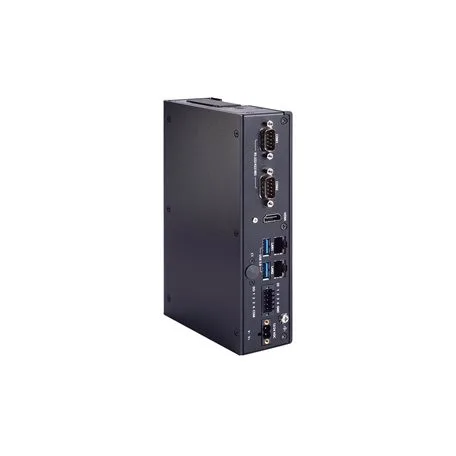
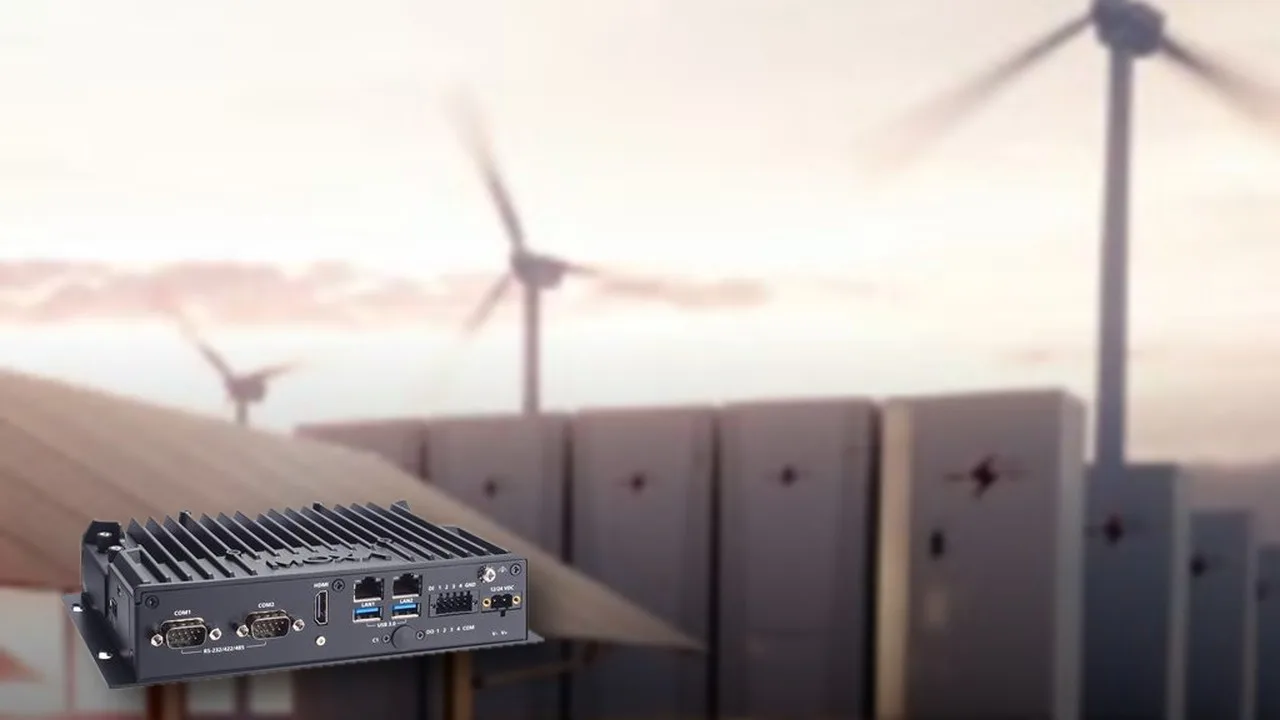
- Each battery cabinet gets a Moxa BXP-A101-E4 as its local energy management computer. It collects data from the BMS, PCS and EMSU and exchanges it with cloud applications.
- SDS-3008 8-port switches connect multiple cabinets, and an OnCell G4302-LTE4 MRC gateway gives secure remote access for diagnosis and maintenance.
- The BXP-A101-E4 is fanless, uses an Intel Atom x6425E and has 2 LAN and 2 COM ports with 4G cellular options. Moxa lists a -30 to 70 °C operating range.
- The provider asked for durable x86 computing, wired and wireless communication, and long product availability. Moxa publishes no measured energy, cost or uptime results for the case.
Deployment Takeaway
In a cabinet-type battery energy storage system (BESS), the local energy management computer links battery, power conversion, and environmental monitoring equipment to the applications that decide when to charge and discharge. It needs wired and wireless communication, durable operation in enclosures exposed to wide temperature swings, and long product availability.
Application Snapshot
Application: Local energy management system (LEMS) for cabinet-type battery energy storage.
Customer profile: A leading provider of industrial and commercial energy storage solutions (not named in the source).
Industrial computer: Moxa BXP-A101-E4 box computer.
Supporting equipment: Moxa SDS-3008 smart switches and an OnCell G4302-LTE4 MRC gateway.
Core workflow: Collect data from the BMS, PCS, and EMSU, and exchange it with cloud energy management applications.
Application source: Moxa's x86 IPC solutions case collection.
Deployment Context
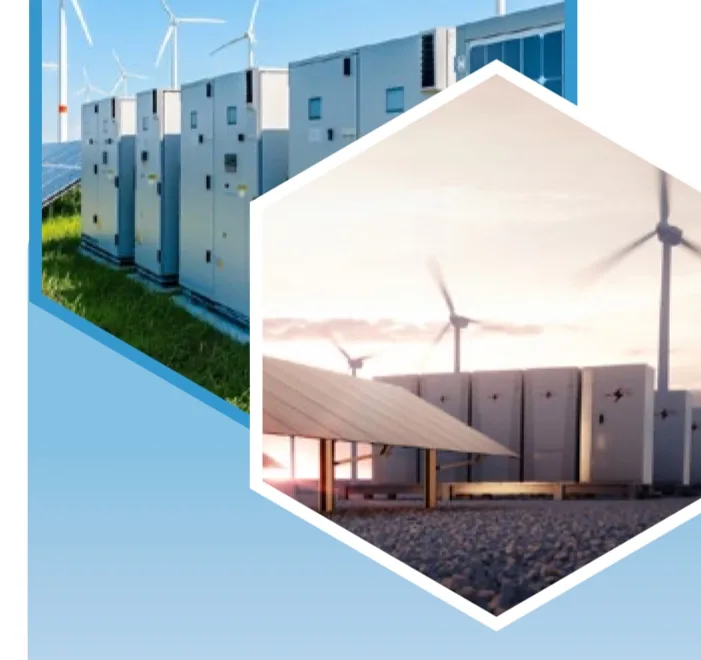
Moxa notes that as the risks of power instability and peak-valley price differences continue to increase, global demand for distributed energy storage is rising. Small, distributed storage systems still need to be monitored and coordinated, so the solutions provider needed a local computer that could bring each cabinet's data into an integrated digital system.
What the BESS System Needed
1. Durable x86 computing for BESS operations
The local EMS operates alongside battery and power equipment in enclosures exposed to temperature changes, so the provider required durable and reliable x86 computers built for continuous BESS operation.
2. Wired and wireless communication
The system had to reach the battery management system, power conversion system, environmental monitoring and surveillance unit, and cloud applications, which called for versatile wired and wireless connectivity.
3. Product longevity
The provider also required product longevity, so the hardware would remain available and compliant across future deployments.
How the BXP-A101-E4 Fits
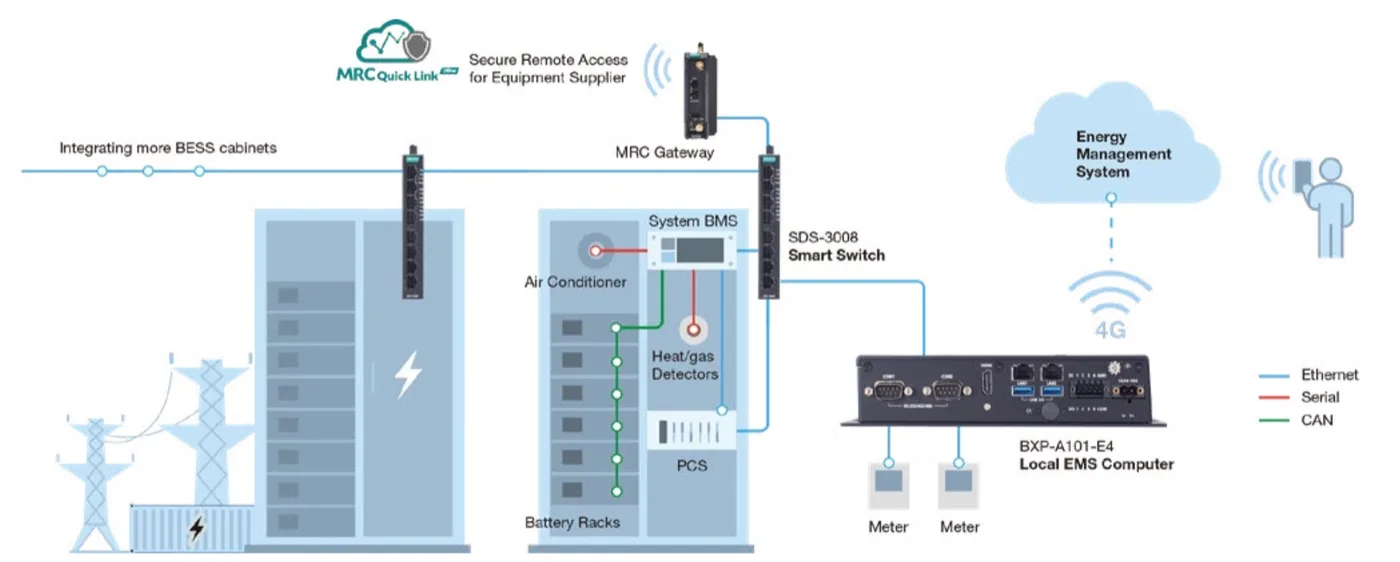
In Moxa's design, BXP-A101-E4 computers serve as the local EMS for each cabinet-pack BESS:
- Open edge data platform: With versatile connectivity and 4G cellular capability, the BXP-A101-E4 integrates data from the BMS, PCS, and EMSU and supports real-time data exchange between BESS systems and cloud applications.
- Scalable cabinet integration: SDS-3008 8-port smart switches connect multiple energy storage cabinets, so the architecture can adapt to changing energy needs.
- Secure remote access: Moxa's MRC gateway and services provide secure remote access for equipment diagnosis and maintenance.
- Built for temperature swings: The BXP-A101-E4, SDS-3008, and OnCell G4302-LTE4 are built to endure extreme temperature fluctuations and are certified to global standards such as CE, FCC, and UL.
The BXP-A101-E4 uses an Intel Atom x6425E processor, offers 2 LAN and 2 COM ports with 4G cellular options, and has a fanless design; Moxa's current specifications list a -30 to 70°C operating range. Communication modules and the final configuration should be confirmed for each project.
Resulting Value
Moxa describes the result as transforming small and distributed storage systems into an integrated, sustainable digital solution, with cloud-edge data exchange that improves decision-making for charging, discharging, and energy storage operations. The case does not publish deployment counts or measured energy, cost, or uptime results.
For energy storage teams, the takeaway is to plan the local EMS computer together with the rest of the communication architecture: BMS and PCS interfaces, cabinet networking, cellular backhaul, remote maintenance access, and the certifications required in each market.
How Neteon Supports Energy Storage Projects
Neteon helps energy and utility engineering teams compare industrial computing platforms and review the configuration around the application. Share your BMS and PCS interfaces, network and cellular requirements, enclosure conditions, and certification needs with our IPC team before finalizing the hardware.
Explore BXP-A101-E4-T at Neteon, or contact Neteon to discuss your energy storage project.
Manufacturer application story based on Moxa's x86 IPC solutions case collection. The documented deployment involved an energy storage solutions provider using Moxa computers, switches, and remote connectivity. Neteon offers related hardware selection and configuration support. Images courtesy of Moxa.
Related on Neteon AI
- SolutionEnergy storage and utilities
- ProductsDIN-rail computers
- ProductsEthernet switches
- GuideRugged Edge AI for Outdoor Energy and Telecom