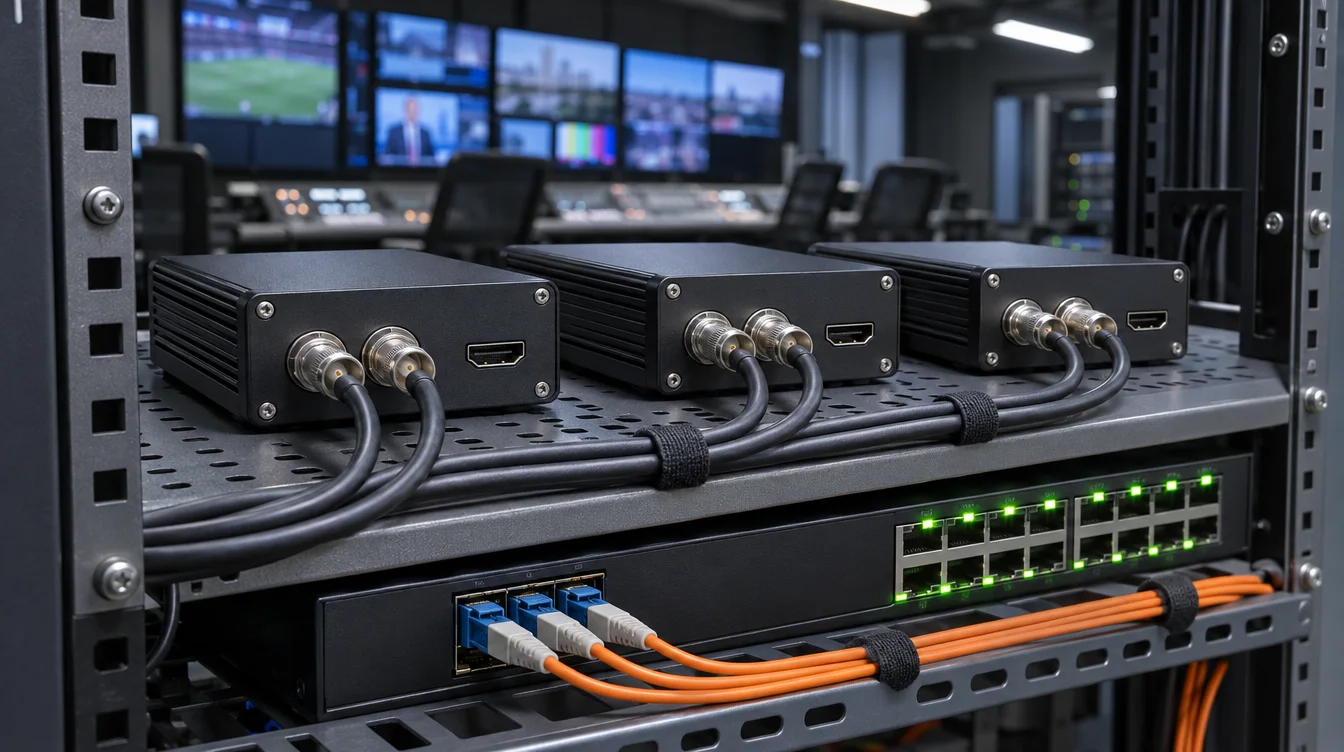
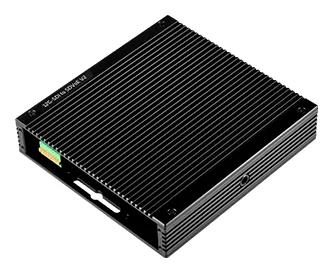
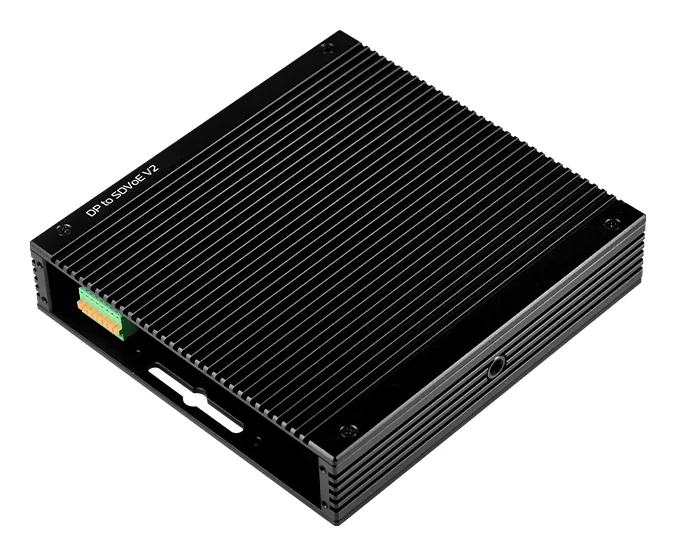
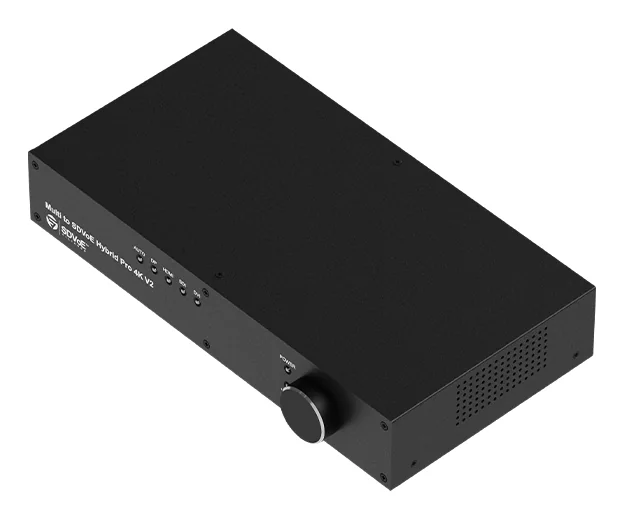
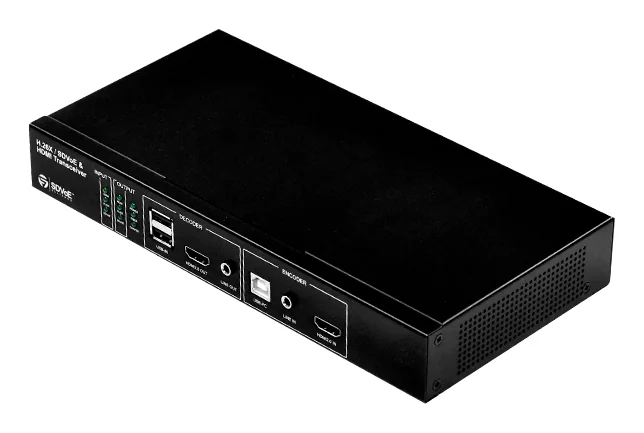
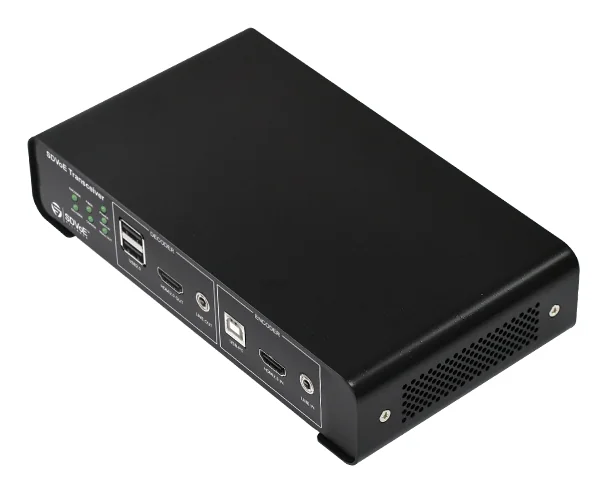
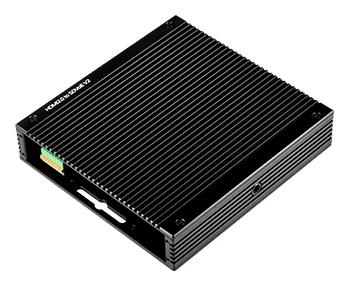
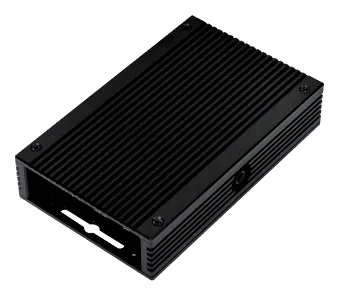
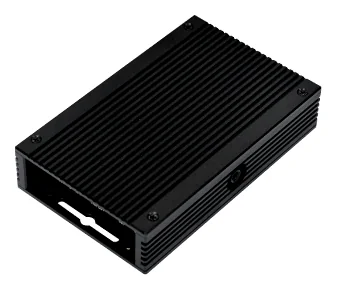
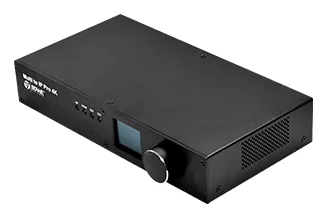
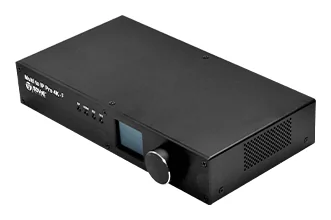
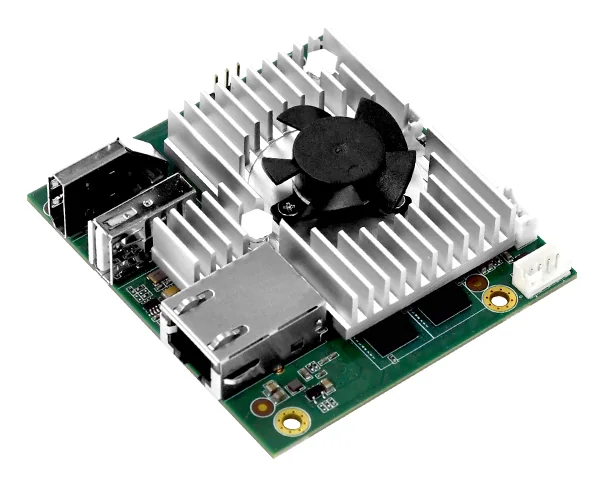
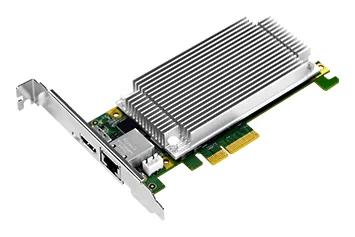
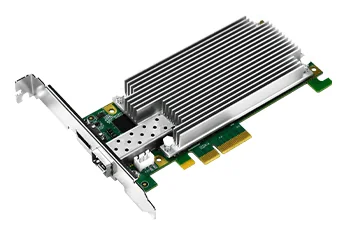
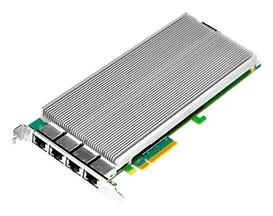
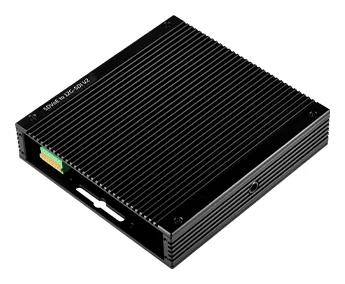
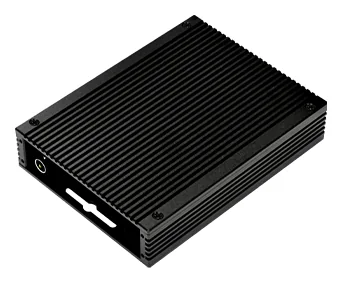
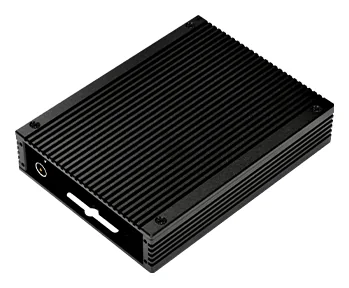
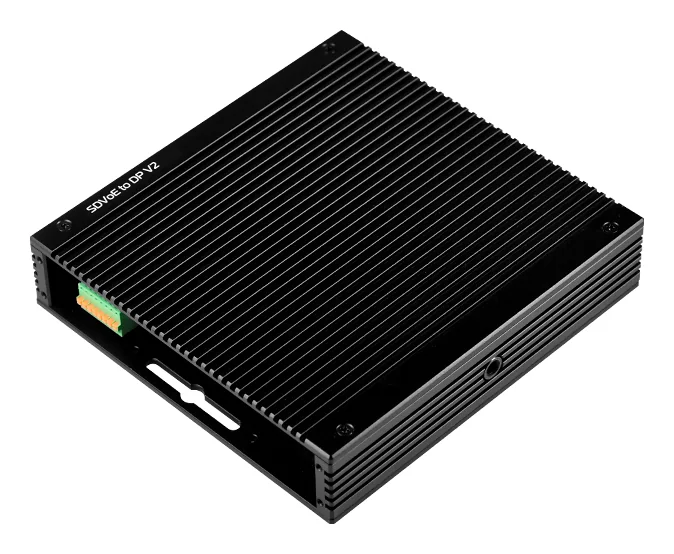
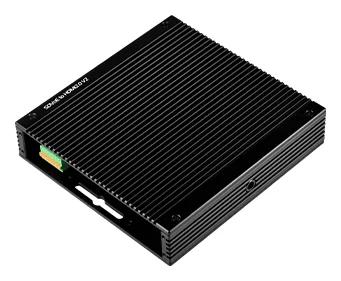
SDVoE carries video over a 10G Ethernet network on copper or fiber. The catalog lists 27 YUAN SDVoE devices: transmitters, receivers, transceivers and capture cards.
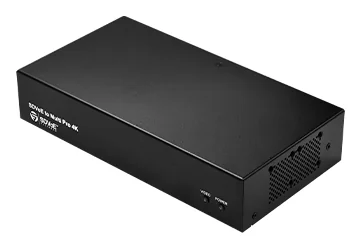
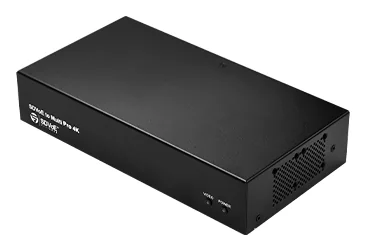
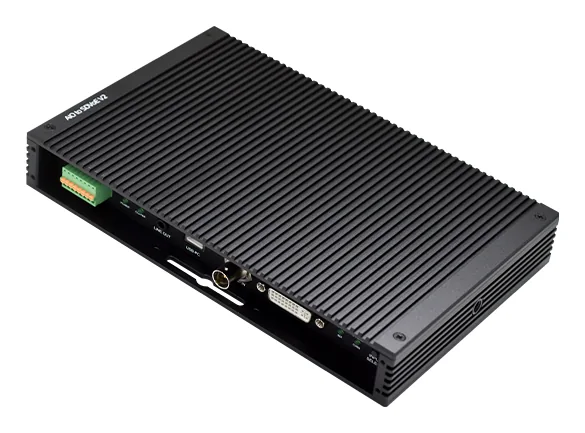
Pick the medium from the model name. Models ending in -C use an RJ45 port for 10G copper and models ending in -F use an SFP+ cage for fiber. The V2 models offer both. On the input side, 8 devices take HDMI, 7 take SDI and 4 take DisplayPort. 16 take the SDVoE stream itself, as receivers, transceivers or capture cards.
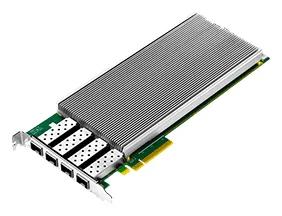
To bring the stream into a computer, use one of the 4 PCIe capture cards or the M.2 card. The SC720N4 models capture four SDVoE channels on one card. The 22 standalone units run from 7.5 to 15 V DC. Tell us the sources, the displays and the 10G switch, and a Neteon engineer will check the chain before quoting.
Questions buyers ask
Copper or fiber?
The -C models use RJ45 for 10G copper and the -F models use SFP+ for fiber. The V2 models let you select either. Choose by the cabling at the site and the distance to cover. Tell us both and we will confirm the model.
Which models can be powered over Ethernet?
11 models name PoE in their description, and most of them list PoE PD input on the DC In row. Check the row on the product page. The others need the 7.5 to 15 V DC supply.
How do I get SDVoE video into an edge AI computer?
Use an SDVoE capture card: 4 fit a PCIe slot and the SC710N1 M2 SDVoE-C fits an M.2 socket. The YUAN AIR6N0-C NX SDVoE systems in the NVIDIA Jetson listing have the input built in.
Do the transmitters carry audio and USB?
YUAN describes the -C and -F transmitters and receivers as SDVoE with audio and USB HID. Check the Input Interface and Output Interface rows on the product page for the connectors.