

TLDR
Remote industrial sites — pump stations, pipelines, water plants, off-grid PV farms — need an edge stack that runs AI locally, transports telemetry over cellular, and survives without a technician. This integration guide pairs the Nuvo-9160GC GPU edge computer with a Teltonika RUT956 industrial 4G LTE router and an MQTT broker to deliver real-time inference and resilient cloud uplink in one DIN-rail-friendly package.
For the deploy-and-update side of an edge build, see our guide to the AI model lifecycle at the edge.
Overview
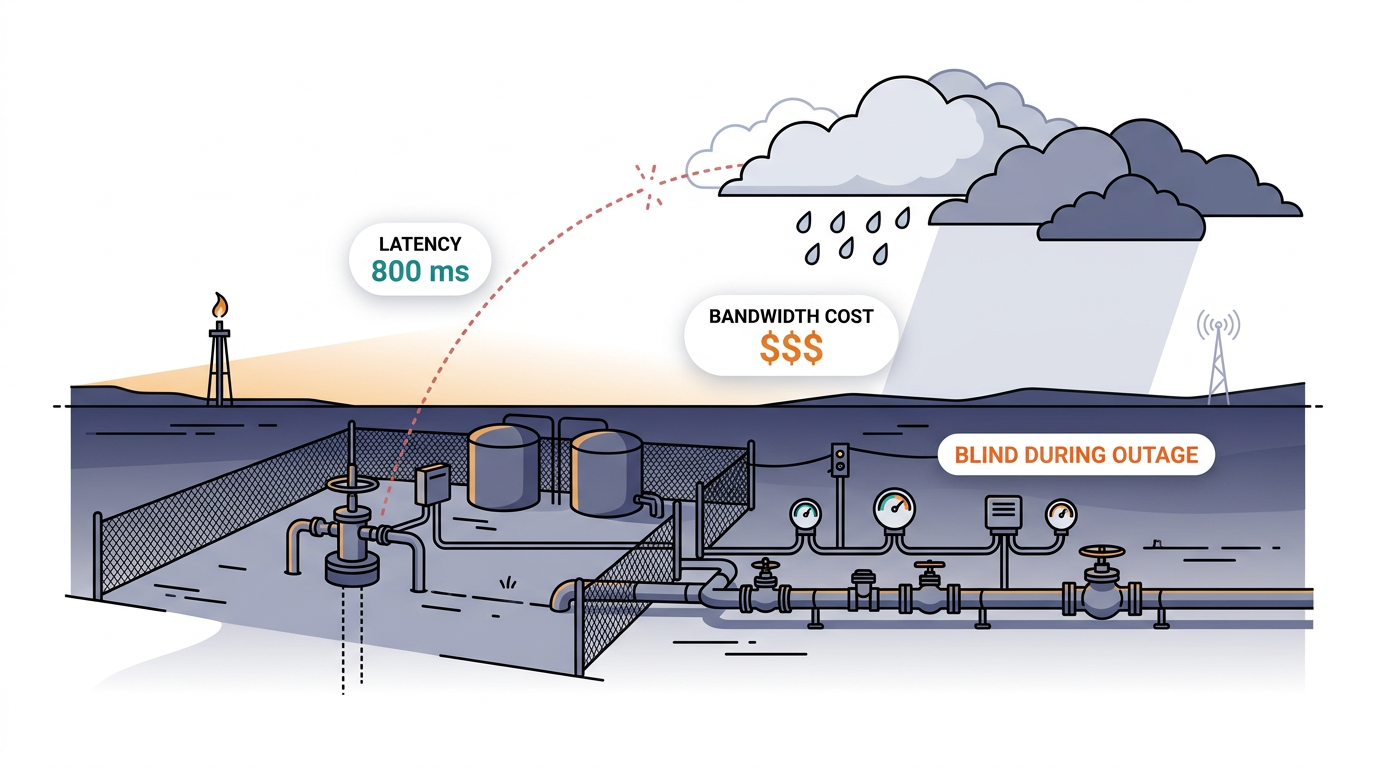
Most "remote monitoring" deployments still backhaul raw sensor data to the cloud and run inference there — which means latency, bandwidth cost, and zero functionality during cellular outages. Pushing the model to the edge fixes all three. We covered the protocol foundation in our earlier guide to OPC-UA for edge AI deployments, and showed the operational impact in the Nuvo-9160GC pipeline acoustic-leak case study and the IP67 water-treatment design guide. This guide focuses on the integration layer: how to wire a Neousys IPC, a Teltonika cellular gateway, and an MQTT broker into a single deterministic data path.
Components Needed (BOM)
For protocol-side context, see our explainer on MQTT vs Modbus TCP for edge AI pipelines.
| Layer | Component | Role | Notes |
|---|---|---|---|
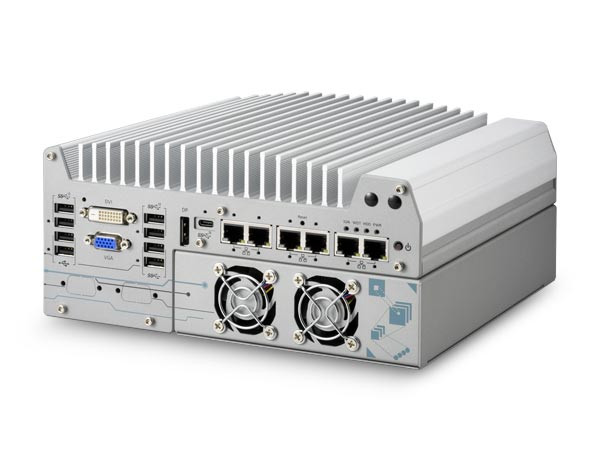
| Edge compute | Nuvo-9160GC (i5/i7, RTX-class GPU) | Runs the inference model locally | 12th-gen Intel + 130 W GPU envelope, fanless, -25 to 60 °C |
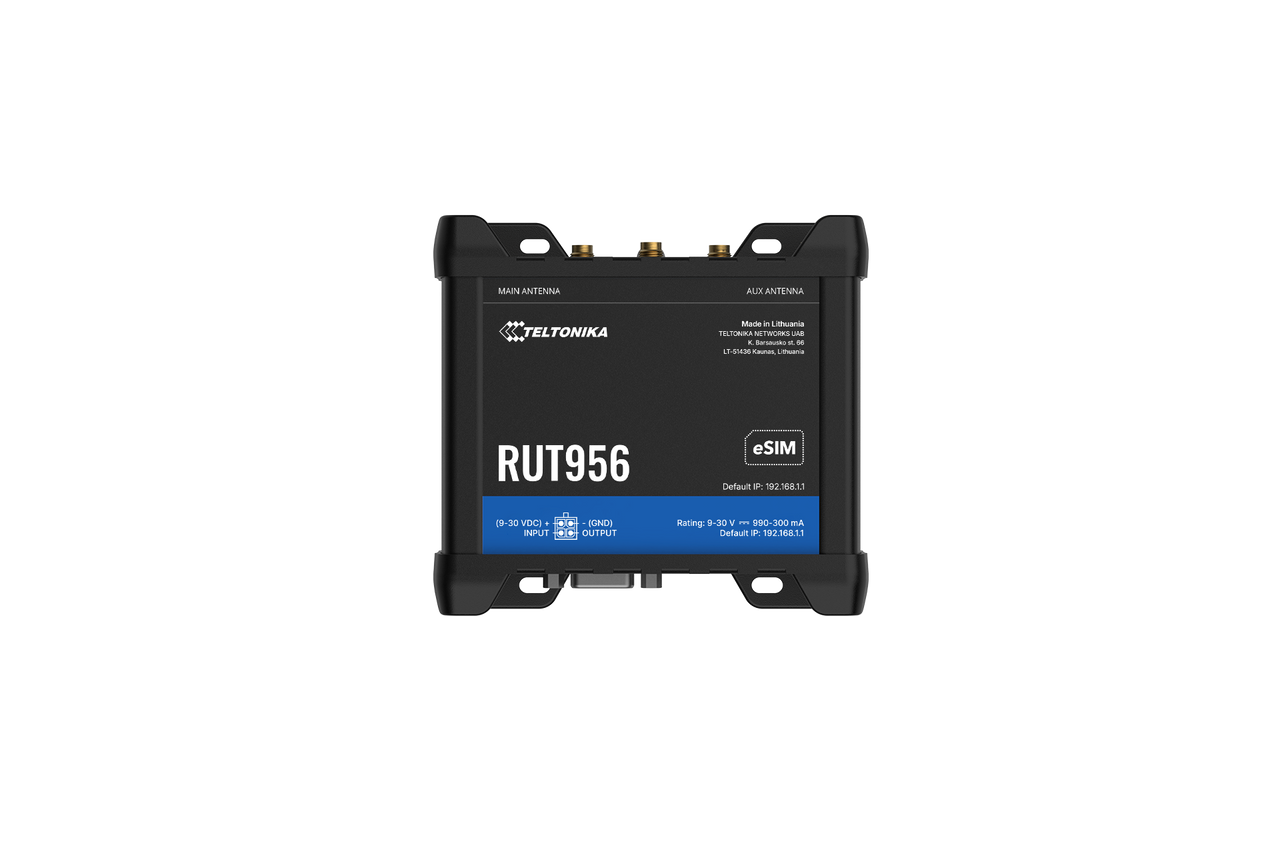
| Cellular WAN | Teltonika RUT956 | Dual-SIM 4G LTE backhaul, RS232/RS485 fallback | Failover between SIMs, RutOS VPN client |
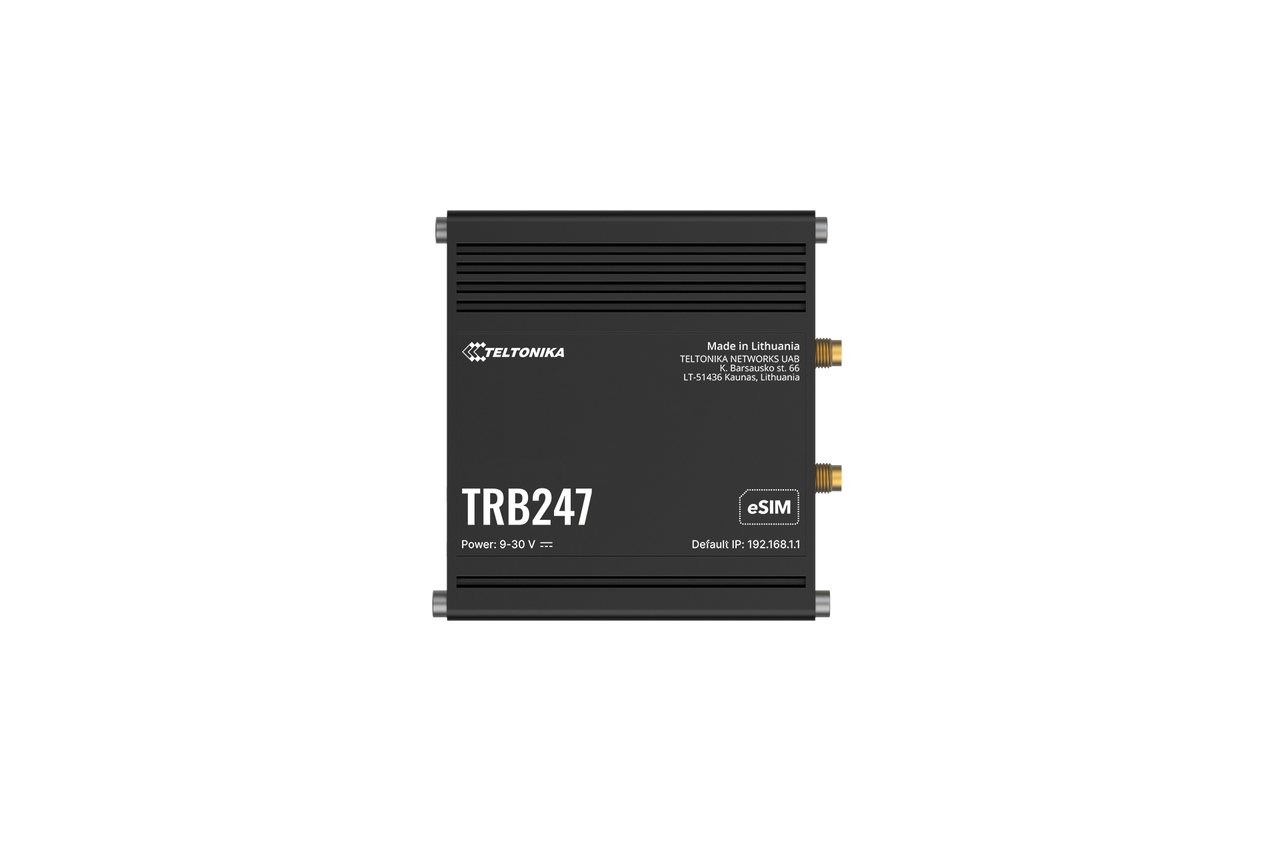
| Backup gateway | Teltonika TRB247 | Cat 1 LTE IoT gateway for low-bandwidth telemetry | Optional secondary path for alarms only |
| Broker | Mosquitto or HiveMQ | MQTT broker (on-prem or cloud) | TLS 1.3 + client cert auth |
| Field bus | Modbus RTU/TCP or OPC-UA | Sensor + PLC ingest | RS485 to RUT956 or OPC-UA over LAN |
| Storage | Local NVMe + remote object store | Inference logs, model snapshots | 30-day local buffer for offline operation |
Step-by-Step Setup
- Mount and power the edge node. The Nuvo-9160GC accepts 8–48 V DC; wire it to the cabinet's 24 V rail with an inline 10 A fuse. Install the GPU and dual SO-DIMMs before deployment — the chassis is sealed in the field.
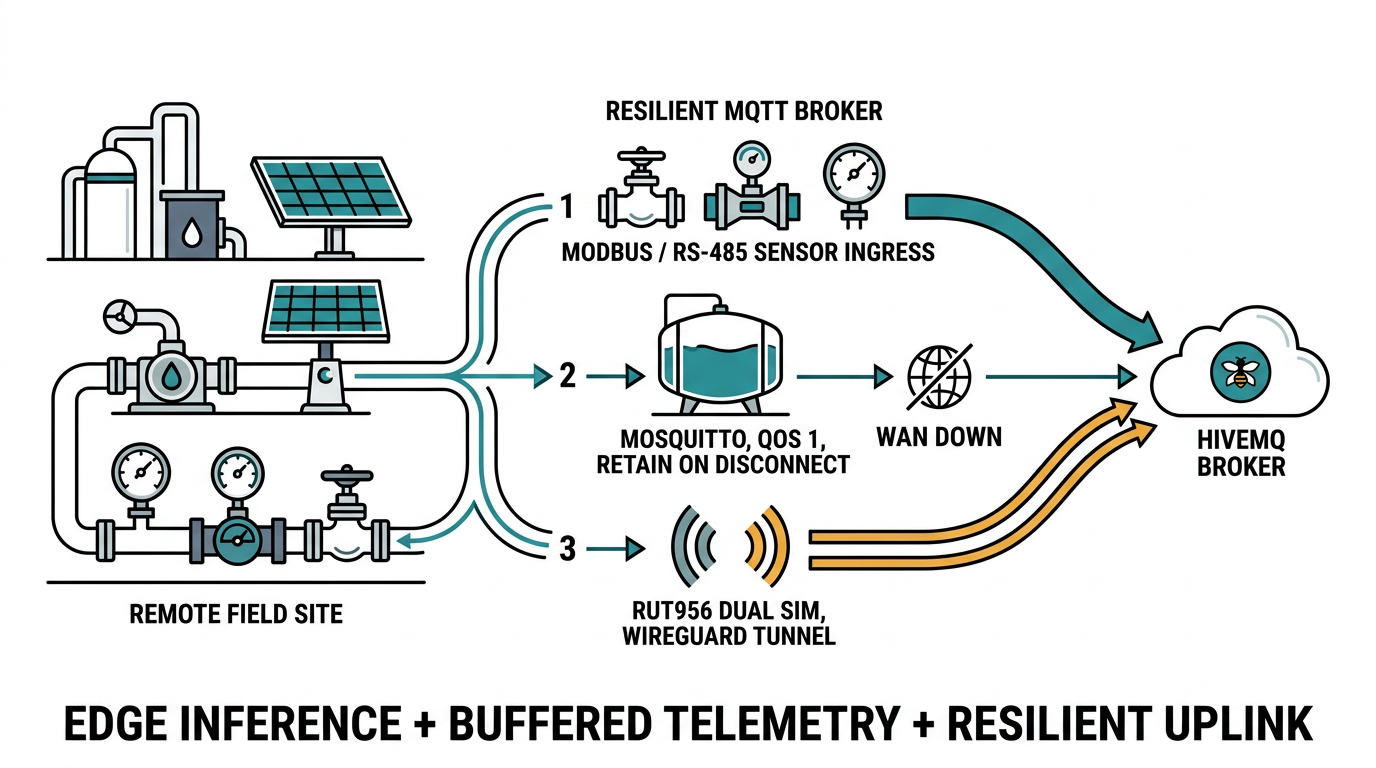
- Bring up the cellular link. Provision both SIM slots on the RUT956, set SIM 1 as primary with a 90-second failover timer, and pin the carrier APN. Enable RutOS WireGuard back to your VPN concentrator so the IPC has a stable inbound path for SSH and model updates.
- Wire the field bus. RS485 sensors land on the RUT956's serial port; PLCs and intelligent cameras land on the IPC's GbE ports through a small managed switch. Keep inference traffic and WAN traffic on separate VLANs.
- Install the runtime. Flash Ubuntu 22.04 LTS, install the NVIDIA driver matching the GPU, then deploy your inference container. Pin CPU cores 4–7 to the inference process to keep ingest threads off the GPU pipeline.
- Stand up the broker bridge. Run a local Mosquitto instance on the Nuvo-9160GC for fan-in from sensors, then bridge to the upstream broker over the RUT956 tunnel. The local broker absorbs WAN outages without dropping data.
Configuration
| Subsystem | Setting | Recommended Value | Reason |
|---|---|---|---|
| MQTT QoS | Edge → cloud | QoS 1 | At-least-once delivery; broker dedupes |
| MQTT QoS | Sensor → edge | QoS 0 | High-rate telemetry, latency over durability |
| Local buffer | Mosquitto persistence | 30 days, 50 GB cap | Survives multi-week outages |
| Inference cadence | Per-frame vs batch | 30 fps single-frame for vision; 1 Hz batch for tabular | GPU utilization vs response time |
| WAN failover | RUT956 ping check | 3 hosts, 30 s interval | Avoid false positives from single endpoint |
| Time sync | Chrony peer | RUT956 GPS (where fitted), pool fallback | Required for MQTT message ordering |
| TLS | Broker auth | Mutual TLS 1.3, 2048-bit | No PSK — rotate certs via Ansible |
Testing & Validation
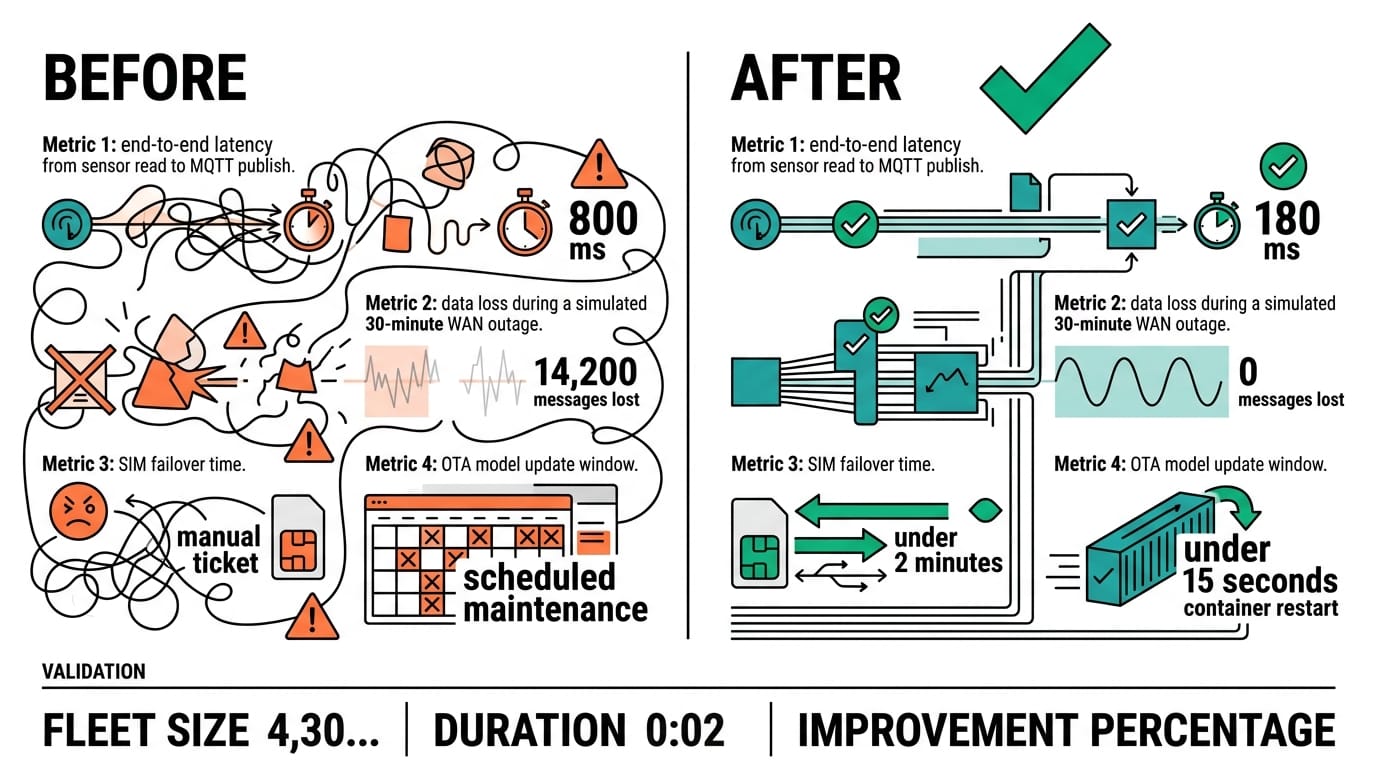
Run a 72-hour soak before sign-off. Pull SIM 1 to confirm the RUT956 fails over to SIM 2 in under two minutes and that local Mosquitto continues queuing. Block the WAN VLAN at the switch and verify the IPC keeps inferring and writing to the local buffer; restore the link and confirm all queued messages drain to the upstream broker without loss. For the inference path, replay a recorded sensor stream through Modbus and check end-to-end latency from sensor read to MQTT publish stays below 200 ms at the 95th percentile. Finally, push an OTA model update through the WireGuard tunnel and confirm the container restart takes less than 15 seconds.
Related Products

If you're moving from MQTT polling toward sub-millisecond control on the same network, our TSN primer covers the IEEE 802.1 standards that make it possible.
To manage containers across many sites like this one, see our explainer on edge orchestration.
Conclusion
The combination of a GPU edge computer, an industrial cellular router, and an MQTT broker is the minimum viable stack for a remote site that has to keep inferring even when the WAN drops. The Nuvo-9160GC carries the model, the Teltonika RUT956 carries the link, and the local broker carries the gap. Pin the QoS levels, run the soak test, and the deployment behaves the same on a desk in Taipei as it does on a wellhead in Texas.
Follow Neteon on LinkedIn for more integration guides like this one. For a parts list scoped to your site, contact [email protected] or visit www.neteon.net for datasheets and reference architectures.
FAQs
Why pair a Neousys edge computer with a Teltonika cellular gateway instead of using one box?
Splitting compute from connectivity isolates failure domains. The Nuvo-9160GC runs the inference model and a local MQTT broker, while the RUT956 handles SIM failover, VPN, and serial-bus ingress. If the cellular link drops, inference and local data capture continue uninterrupted; if the IPC reboots, the gateway keeps the site reachable for diagnostics.
Do I really need a local MQTT broker on the Nuvo-9160GC?
Yes for any deployment that has to survive cellular outages. A local Mosquitto instance buffers sensor messages and bridges them upstream when the WAN returns. Without it, every WAN drop becomes lost telemetry and missed inference outputs.
What inference latency should I expect end-to-end?
With QoS 0 sensor-to-broker hops and a single-stage GPU model on the Nuvo-9160GC, we routinely measure under 200 ms at the 95th percentile from sensor read to upstream MQTT publish. Add 30-80 ms per additional broker hop and roughly the round-trip time of the LTE path.
Why dual SIM on the RUT956 instead of one carrier?
Single-carrier coverage gaps are the dominant cause of remote-site downtime. Dual SIM with a 90-second failover timer lets the router cut over to a secondary carrier without operator intervention, which protects the inference uplink during regional outages or maintenance windows.
Can I push model updates over this stack?
Yes. Provision the Nuvo-9160GC as a WireGuard client through the RUT956 tunnel and use Ansible or a container registry to deliver new model weights. Container restarts on the IPC typically complete in under 15 seconds, so OTA updates do not require a service window.
For the underlying network design that this monitoring stack runs on, see our converged IT/OT network architecture guide.
For the in-vehicle version of this pattern, see How to Connect a Cellular IoT Gateway to a Neousys POC-700 for Fleet Monitoring.
Sources and further reading
Neousys Nuvo-9160GC product specifications.
OASIS MQTT Version 5.0 standard.
Related Neteon guides
Connect a Cellular IoT Gateway to POC-700.
Nuvo-9160GC Pipeline Acoustic Monitoring Architecture.
Browse the nuvo 9160gc topic hub for more deployment guidance.