Key points
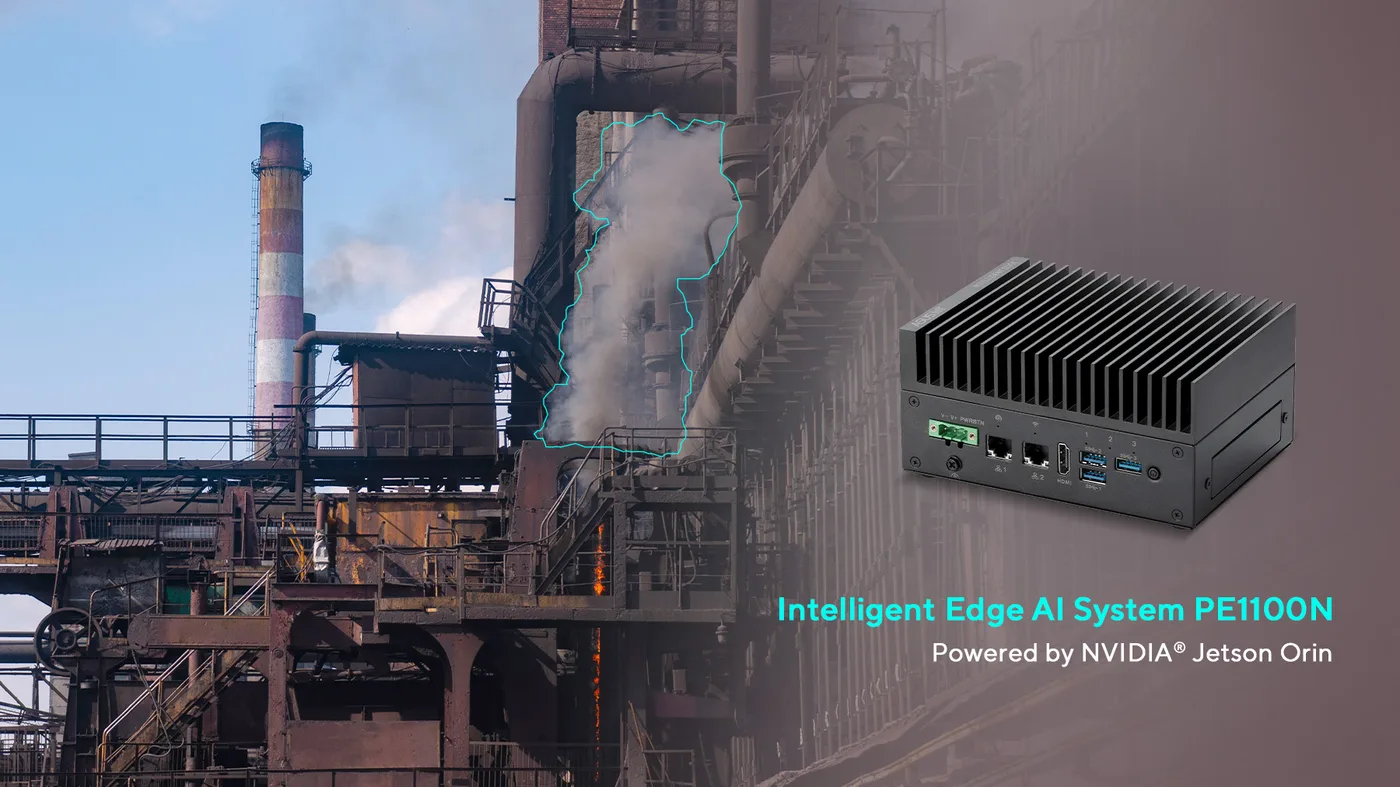
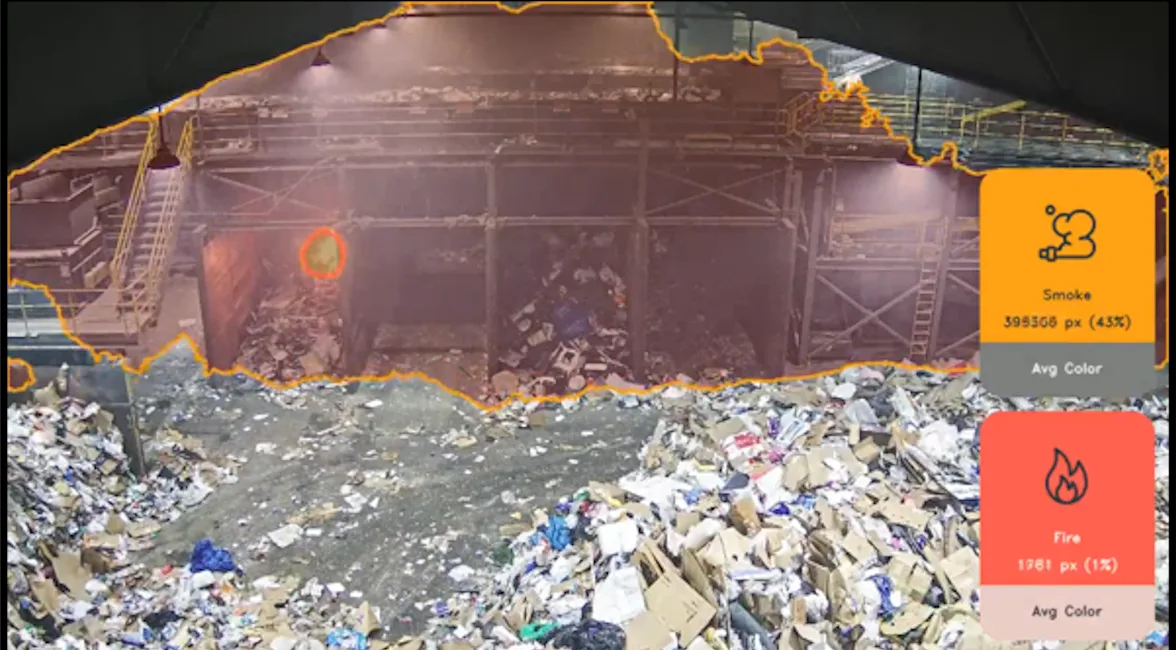
- VisionAery runs analytics for liquid leaks, fire and smoke, and flare monitoring on the ASUS IoT PE1100N, a system built on NVIDIA Jetson Orin.
- Inference runs on site, so a detection does not depend on an internet connection. ASUS documents deployments where cloud connectivity is limited.
- Detections reach operators through the systems they already use: alarms, overlays and event clips go to the VMS, and telemetry and alarm data go to SCADA.
- VisionAery reports that no installed module had failed at the time of the interview. The case gives no deployment count, observation period or incident-reduction figure.
Deployment Takeaway
Industrial vision analytics needs a complete path from camera input to an event an operator can review. The edge computer must run the selected models, connect to the site's cameras and monitoring systems, and fit the installation's power and cooling conditions.
Application Snapshot
Application: Vision-based hazard detection at industrial and utility facilities.
Solution developer: US-based VisionAery, working with OEM system builder Velasea and ASUS IoT.
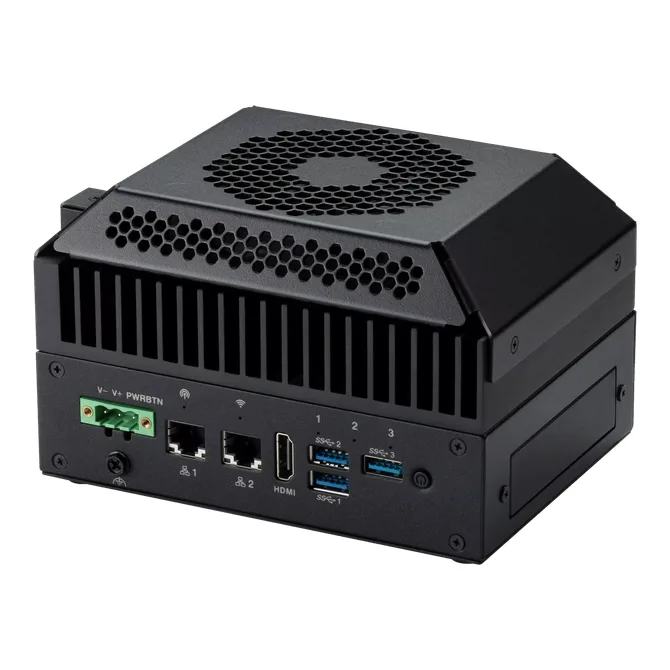
Documented computing platform: ASUS IoT PE1100N, based on NVIDIA Jetson Orin.
Core workflow: Process camera footage locally, identify potential hazards, and pass detection events to plant systems.
Application source: ASUS IoT's VisionAery case study.
Turning Existing Camera Feeds into Operational Alerts
A video feed gives a team visibility into a site. Adding analytics introduces a different requirement: deciding which changes in that feed deserve attention and getting that information into the operator's workflow.
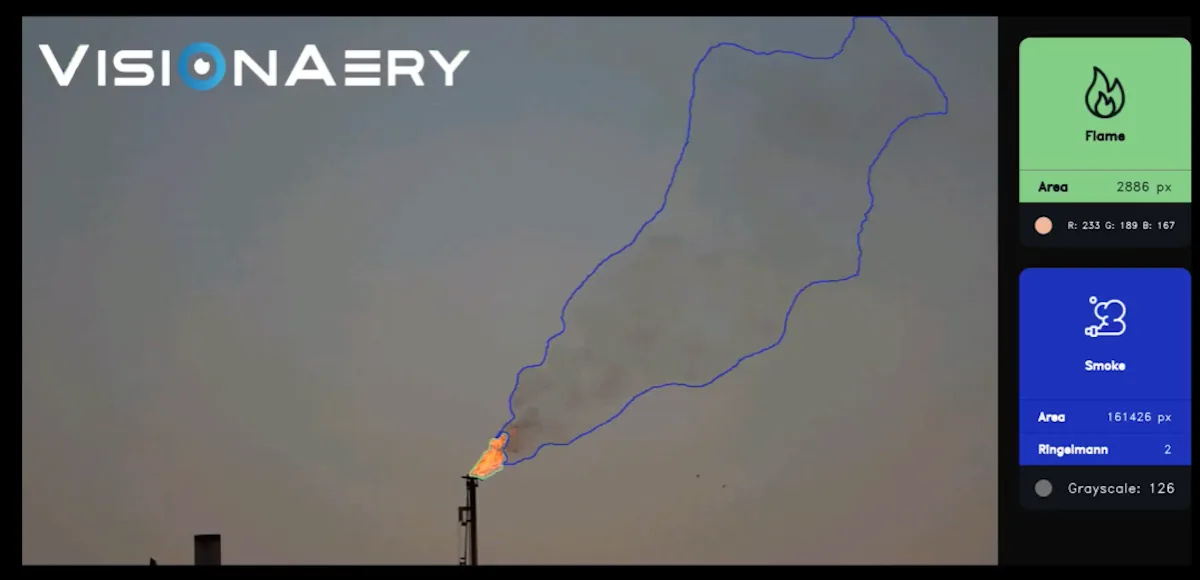
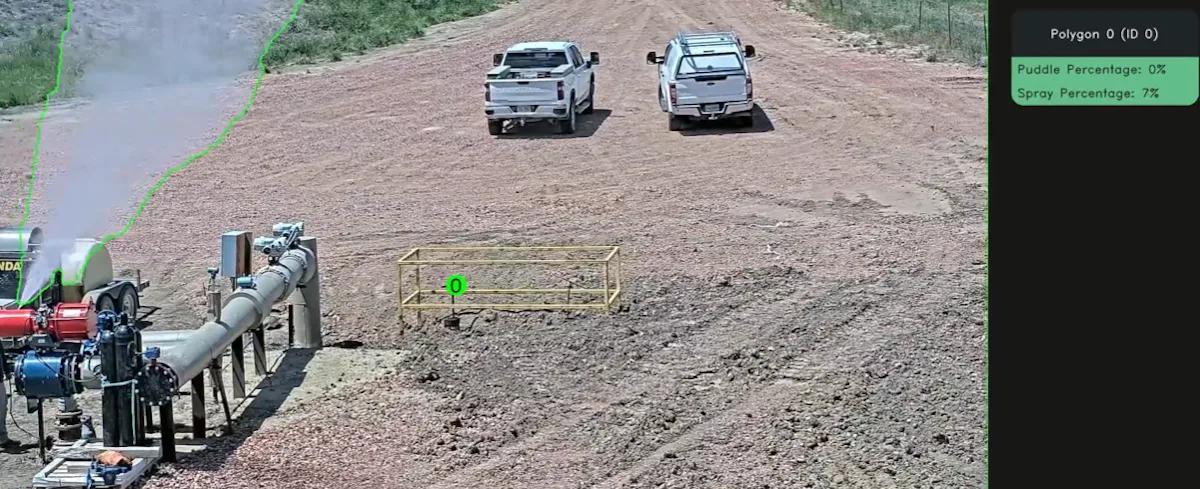
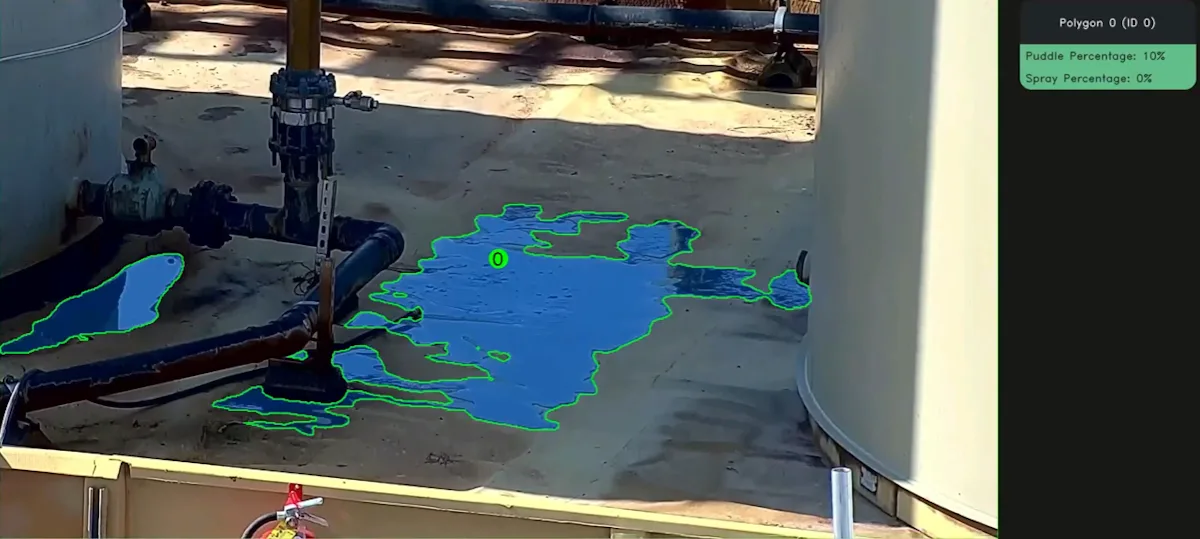
In the ASUS case study, VisionAery describes analytics for liquid leaks, fire and smoke, and flare monitoring. Its current Liquid Leak Detection platform sends alarms, telemetry, video, and snapshots into VMS and SCADA systems, giving teams a way to use camera data within their existing monitoring processes. VisionAery describes this integration on its platform site.
What the Vision System Needed
1. Processing close to the cameras
ASUS documents VisionAery's use of PE1100N for on-site inference, including deployments where cloud connectivity is limited. Keeping the analysis local allows the application to process video without depending on an internet connection for each detection.
2. A useful handoff to plant personnel
Detection is one stage in the workflow. VisionAery describes sending alarms, overlays, and event clips into existing video-management systems, alongside telemetry and alarm data for SCADA. For a new deployment, the team should decide who receives an event, what context accompanies it, and how the response is recorded.
3. Hardware that fits the installation
An enclosure review should account for available space, mounting, supply voltage, heat dissipation, cable access, and the expected ambient conditions. Model performance should be evaluated with the intended camera streams and software running on the proposed hardware.
Where ASUS IoT PE1100N Fits
The PE1100N is the local computing platform in the documented solution. ASUS offers the series with NVIDIA Jetson Orin NX and Orin Nano modules, combining embedded GPU processing with industrial connectivity in a compact system.
Its official product information identifies several features relevant to this type of integration:
- Embedded AI computing: Jetson Orin provides the processing platform for compatible inference applications.
- Industrial connectivity: LAN, USB, serial, and digital I/O interfaces support peripheral and system integration, subject to the selected model.
- Compact fanless construction: The enclosure uses an extruded-aluminum thermal design.
- Expansion options: M.2 interfaces support storage and optional wireless or cellular modules.
The final configuration should be matched to the software stack and installation. The computer supplies the compute layer; the detection models, camera setup, and alarm integration complete the application.
Resulting Value
In the ASUS account, VisionAery describes field deployments across industrial and utility facilities and reports that the installed modules had not failed at the time of the interview. The article does not give a deployment count, a defined observation period, or measured incident-reduction or ROI results.
For teams evaluating a similar system, the useful takeaway is the architecture: camera inputs, local analytics, event delivery, and a response process need to be specified together.
Planning a Similar Deployment
Start with a defined observation area and a specific event the team needs to recognize. Review camera position, lighting, network access, the software vendor's hardware requirements, and how an alert will be assessed. A pilot should establish acceptance criteria for detection behavior and operator workload before a broader rollout.
How Neteon Supports Industrial Vision Projects
Neteon helps engineering teams compare industrial computing platforms and review the configuration around the application. Share the proposed camera workload, software requirements, interfaces, installation conditions, and power budget with our IPC team before finalizing the hardware.
Explore PE1100N / Orin NX 16G/US at Neteon, or contact Neteon to discuss your edge AI project.
Manufacturer application story based on ASUS IoT's published case study, with platform context from VisionAery and ASUS product information. The documented implementation involved VisionAery, Velasea, and ASUS IoT. Neteon offers related hardware selection and configuration support. Images courtesy of ASUS IoT and VisionAery.